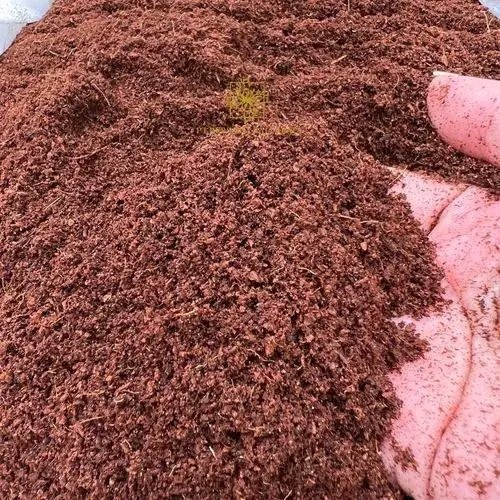
Specially processed calcium-nitrate buffered 5 kg coco peat block engineered to optimize cation exchange capacity (CEC), displacing sodium and potassium ions for sensitive greenhouse crops and high-tech fertigation.
SISC COIR Buffered Coco Peat 5 kg Blocks are dedicated hydroponic growing substrates processed specifically for professional horticulture. Untreated coco peat naturally contains cation exchange sites bound with potassium and sodium. During agricultural fertigation, adding calcium and magnesium causes the coir to bind calcium and release sodium, leading to calcium deficiency. Our buffering process treats washed coco peat with calcium nitrate, pre-saturating the cation exchange sites with calcium and flushing out excess potassium and sodium. The resulting substrate provides stable nutrient availability from day one, allowing greenhouse operators to feed their crops with precision. Dedicated product page separate from Low EC Coco Peat.
Compliance requirement: Calcium nitrate is a mineral processing input. We do not publish claims such as "100% chemical-free," "OMRI listed," or "certified organic" without current verified manufacturer documentary evidence.
← Scroll horizontally on mobile to view full table →
| Parameter / Property | Supplied Factory Specification |
|---|---|
| Product | Buffered Coco Peat 5 kg Block |
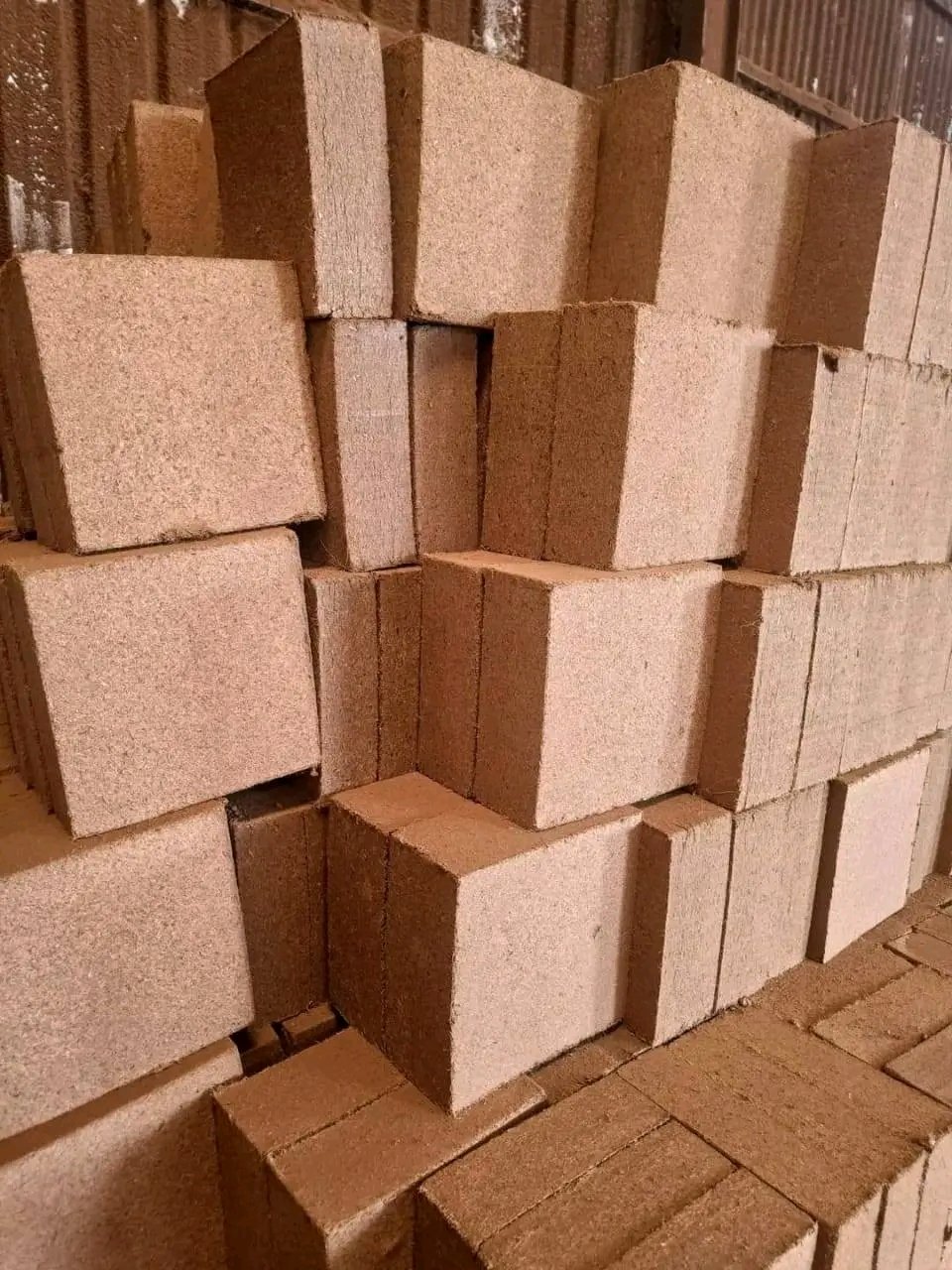
| Compressed Size | 30 × 30 × 15 cm |
| Block Weight | 5 kg ± 200 g |
| Expanded Volume | Approximately 60 – 75 Litres |
| Moisture Content | 18 – 20% |
| Sand and Impurities | Below 3% (supplied specification, subject to verification) |
| Buffering Chemical | Buffered using Calcium Nitrate [Ca(NO3)2] |
| Target Sodium Level (Standard) | Below 40 ppm for the standard buffered grade |
| Double-Buffered Grade | Target sodium below 25 ppm (subject to laboratory verification) |
| pH Range | 5.5 – 6.5 |
| Typical EC | 0.8 – 1.2 mS/cm (reflecting plant-available calcium & nitrate ions) |
← Scroll horizontally on mobile to view full table →
| Loading Type | Container | Blocks per Pallet | Total Blocks | Net Material Weight | Description |
|---|---|---|---|---|---|
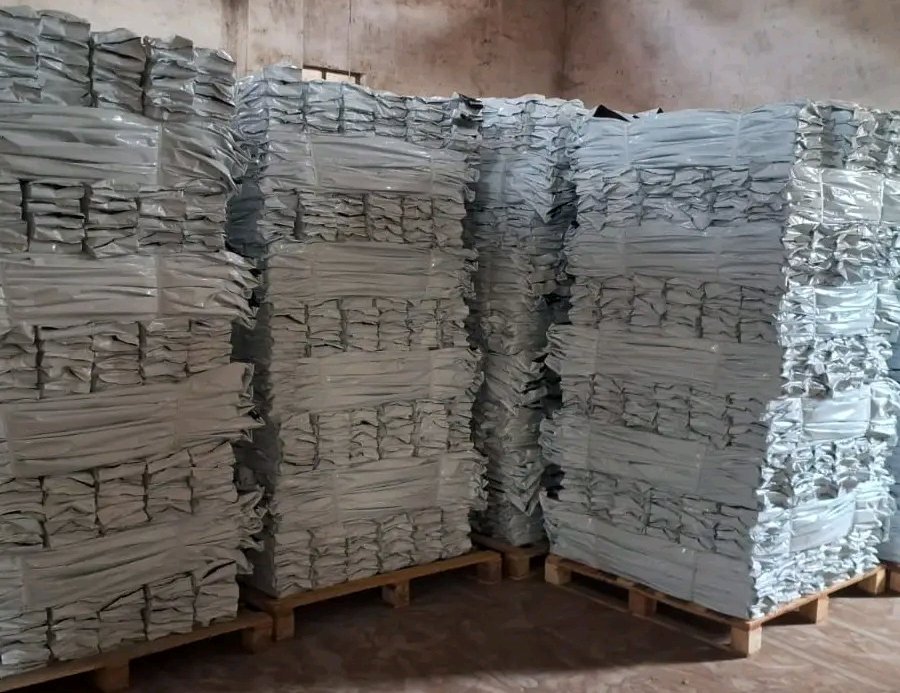
| Palletised for weight | 40 ft HC | 190–210 | 3,800–4,200 | 19–21 MT | 42 × 42 inch pallets, shrink-wrapped and banded |
| Standard palletised | 40 ft HC | 230 | 4,600 | 23 MT | Pallets shrink-wrapped and banded |
| Loose loading | 40 ft HC | N/A | 5,200 | 26 MT | Bare blocks floor-loaded |
| Loose loading with bags | 40 ft HC | N/A | 5,100 | 25.5 MT | Four blocks per bag, sealed and banded |
| Loose loading | 20 ft | N/A | 2,400 | 12 MT | Bare blocks floor-loaded |
| Palletised | 20 ft | 210 | 2,100 | 10.5 MT | Palletised, shrink-wrapped and banded |
Engineered for high-yield commercial crops and heavy-duty bioengineering applications.
High-tech greenhouse tomatoes, sweet bell peppers, and European cucumbers.
Commercial strawberry, raspberry, and blueberry crops where calcium nutrition is critical.
Commercial roses, gerberas, carnations, and potted flowering ornamentals.
Closed-loop automated fertigation where cation balance and drain EC stability are paramount.
Pre-occupies exchange sites with calcium, preventing the substrate from drawing calcium away from plant roots during fertigation.
Reduces exchangeable sodium to <40 ppm (or <25 ppm in double-buffered grade), preventing sodium toxicity.
Eliminates time-consuming on-farm buffering and extensive flushing cycles, reducing labor and setup water use.
Maintains predictable cation exchange capacity (CEC) throughout multi-month commercial crop cycles.
Review common buyer questions regarding specifications, buffering, MOQ, and international logistics.
Buffered coco peat is processed coconut coir that has been treated with a calcium solution (such as calcium nitrate) to saturate its natural cation exchange complex. This displaces naturally bound sodium and potassium ions, ensuring that when growers apply calcium-rich hydroponic fertilizers, the substrate will not absorb the calcium and starve the plant.
Coir has a naturally high Cation Exchange Capacity (CEC) with negatively charged sites naturally holding potassium (K) and sodium (Na). In raw coir, these ions have a weaker electrical bond than calcium (Ca). When calcium nitrate is applied during the buffering process, the calcium bonds strongly to the coir matrix, displacing the potassium and sodium into solution, which are then rinsed away.
Washed coco peat is rinsed with water to lower electrical conductivity, and Low EC coco peat has achieved an EC below 0.5 mS/cm. However, washed coir still retains potassium and sodium ions on its exchange sites. Buffered coco peat has undergone an additional chemical exchange process with calcium nitrate to displace those bound ions, specifically protecting crops from calcium deficiency and salt stress.
Double-buffered coco peat undergoes two sequential buffering and rinsing cycles, yielding an even lower residual sodium level—targeted below 25 ppm compared to <40 ppm for standard buffered grades. This is recommended for ultra-sensitive crops, organic seed starters, and high-value closed-loop hydroponics, subject to laboratory verification.
Each compressed block measures 30 × 30 × 15 cm and weighs 5 kg ± 200 g. When rehydrated with water, a single block expands to approximately 60–75 litres of loose, airy, ready-to-use substrate.
Supplied specifications state moisture between 18–20% and sand/impurities below 3%. All physical parameters are verified per batch and subject to factory laboratory confirmation.
Customers can verify EC, pH, and sodium levels using standard 1:1.5 or 1:5 volume extraction methods with distilled water, or by reviewing the batch-specific Certificate of Analysis (COA) provided with each export consignment.
Buyers can submit a request using our on-page quotation form, WhatsApp link, or by emailing info@southindiancoir.com. One 5 kg sample block is available for buyer testing, with international courier charges payable by the buyer.
Buffered coco peat is ideal for high-tech hydroponic production of vine crops (tomatoes, cucumbers, capsicum), soft fruits (strawberries, blueberries), and cut flowers (roses, gerbera), as well as automated container nurseries.
Raw coir characteristics vary depending on coconut origin, seasonal rainfall, and washing intensity. Requesting batch-specific laboratory test reports ensures verification of actual EC, pH, sodium, and potassium parameters before container loading, providing predictable performance for commercial growers.
Fill out your export destination and requirement details below to receive an official FOB Tuticorin / CIF pricing quote from our Kangeyam export office.
Hydroponic Substrates
Customizable coir grow bags and slabs encased in UV-stabilised co-extruded poly sleeves for commercial greenhouse tomatoes, cucumbers, capsicum, and berries.
Coco Peat Substrates
Premium washed low electrical conductivity (EC < 0.5 mS/cm) 5 kg compressed coco peat block with balanced pH (5.8–6.5) and high expansion volume for commercial horticulture, seed germination, and hydroponic substrates.
Horticultural Husk Chips
100% natural coconut husk chips cut to uniform size for superior root aeration, drainage, orchid cultivation, and hydroponic potting mix amendment.